DxO PhotoLab 9
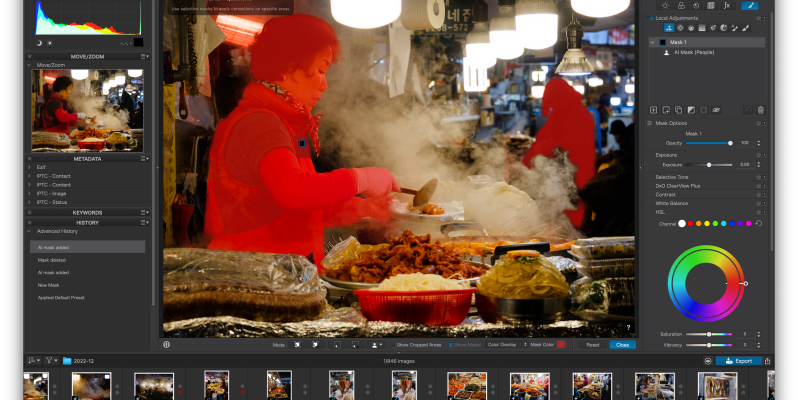
DxO has been slow to the AI masking party, and most rivals now have a two year head start. But waiting until the technology was mature may have been a wise strategy.
DxO has been slow to the AI masking party, and most rivals now have a two year head start. But waiting until the technology was mature may have been a wise strategy.

This is a in-depth review of DxO Photolab 7, based on almost a year of use. I have long been a strong advocate of Capture One Pro, but with the company’s push towards subscriptions and frankly unjustifiable new pricing, it felt like time to consider other software. Lightroom Classic is the obvious alternative, although it has many of the same drawbacks as Capture One. So the candidate replacement that I have looked at most comprehensively is PhotoLab, which on paper offers a viable alternative as a high quality RAW editor […]

This is a short look the Leica M-A film camera, from the perspective of someone used to shooting the technically much more advanced M7. The M7 has been my main film camera for more than five years now. What started as an experiment to reduce the size and weight of camera equipment has ultimately led a growing reliance on Leica M series rangefinders for most of my photography. A key advantage being the ability to keep the same lenses and basic shooting experience in both digital and 35mm film media.
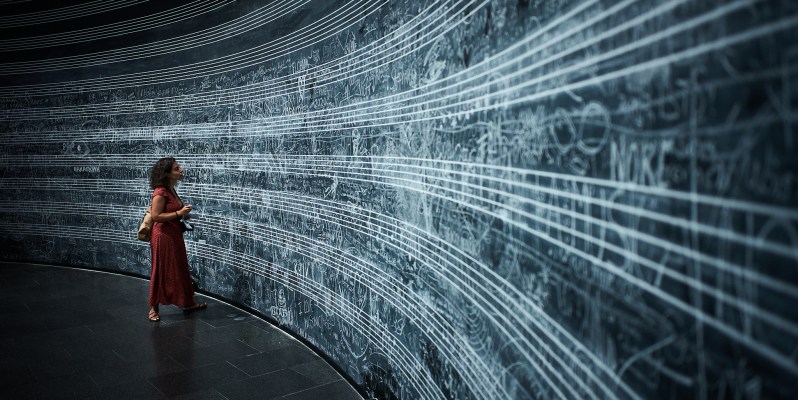
This is a very very late user review of the Leica M10, based on just over a year of use. It is a deliberately image-heavy post, with a varied selection of photographs that I hope show some of the capabilities of the camera.

This is a short review of Capture One Pro 12, Phase One’s alternative to Adobe’s Lightroom CC package. Version 12 introduces some new features which, unlike last years update, should make this an upgrade that is much easier to recommend for most users. But is it worth the accompanying eye watering price rises?
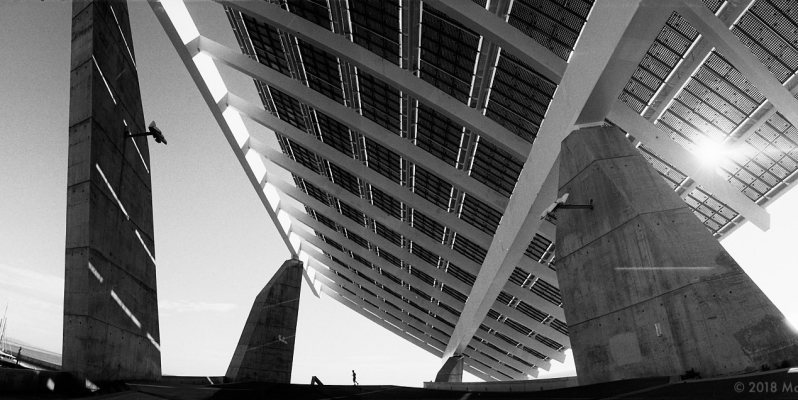
A quick look at the Zenit Horizon 202 clockwork panorama camera, which is unusual in that it uses a lens placed in a rotating drum to create ultra-wide-angle images with a 2.4:1 aspect ratio on 35mm film. If this sounds weird, it is – and It is probably easier to show the camera in a short video than to describe it:

This is a short user-review of the Minolta MD 16mm f2.8 Fisheye lens, with a selection of images taken using both Minolta film and also Leica digital cameras. This is the first time that I have used a fish-eye lens, with its immense barrel distortion creating unusually distorted images. This particular lens completely fills the full 35mm rectangular frame, with the image diagonal spanning a full 180 degree field of view.

This is a short review of Daido Tokyo, a photo book that contains two recent collections of images taken in the Shinjuku district by one of my favourite photographers, Daidō Moriyama. The book is based on an exhibition of photographs at the Fondation Cartier in Paris in 2016.
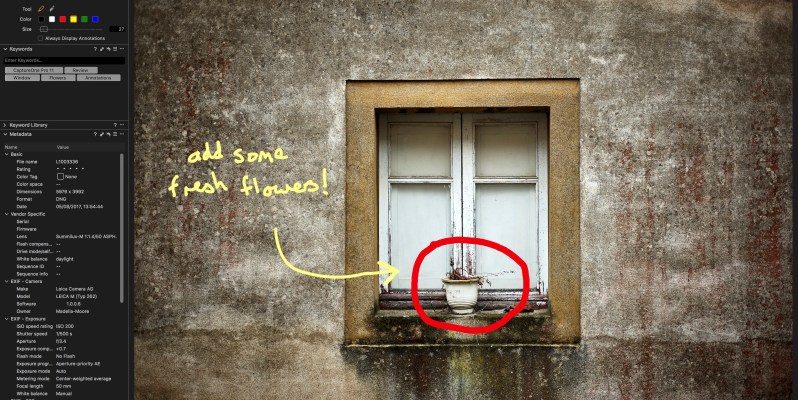
This is a brief review of Capture One Pro 11, the latest update to Phase One’s alternative to Adobe Lightroom. The key new features are: image annotations enhancements to layer functionality performance improvements This is a pretty slim list, which is why this is only a brief review…

A brief review looking at three different options for polarising filters that can be used with Leica M series cameras.
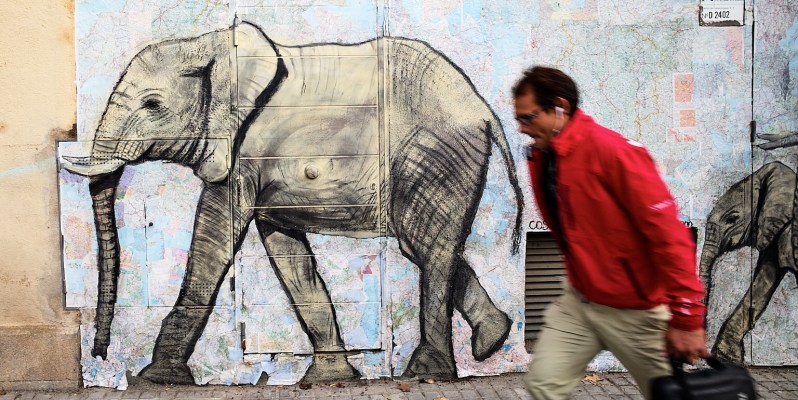
This is a user-review of the Leica M typ 262, based on one year of use with a mix of street, landscape and architectural photography.

Phase One has just announced the latest update to their flagship RAW processing software, Capture One 10, with a raft of new features and improvements – and a €99 price tag for the update. Is it worth upgrading? Capture One is a RAW developer that was originally designed primarily to support Phase One’s digital medium format backs, but which is today a much more capable package that supports numerous camera types and which now rivals heavyweight software such as Adobe’s Lightroom. I have been using Capture One since version 7, and […]
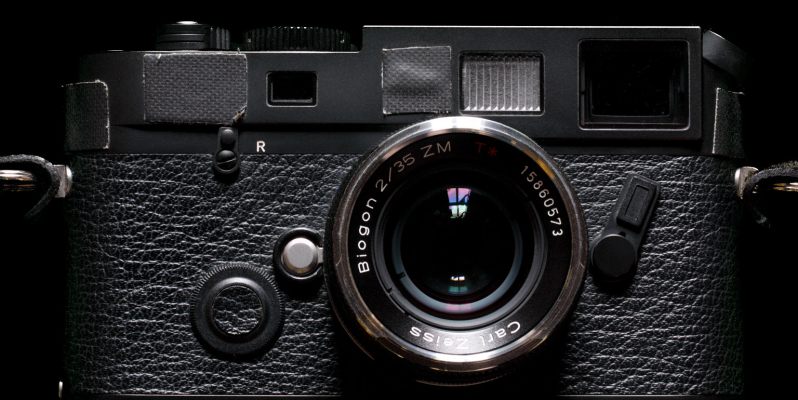
This is an incredibly late review for the Leica M7, which was released in 2002. Mine is an early version bought second-hand, and I have used it extensively for the last two years over which time I have shoot an average of about one film per week and traveled with it in Europe and the Americas.
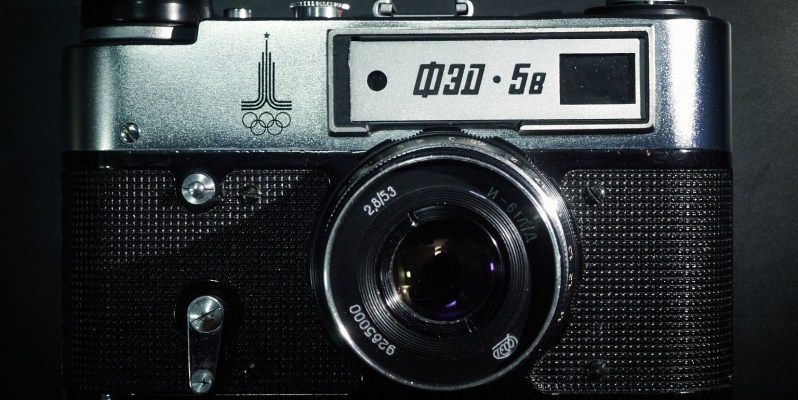
This is a short look at the FED 5b rangefinder camera. We found this one at a flea market in Barcelona, for the price of two reels of film. With some care, these cameras can be just as usable today as when they were first made 35 years ago. The Ukrainian built FED 5b was a very basic all-mechanical design, evolved over many years from a copy of an early Leica design. It uses the older Leica M39 lens mount and lacks modern frivolities such as a built-in light-meter. In form and function it is not […]
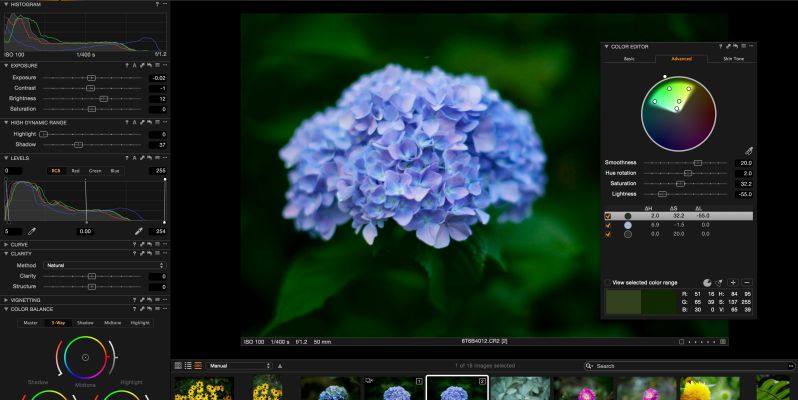
This is a review of Capture One Pro 8.3.2, specifically from the perspective of a long-time Lightroom user, running Apple’s Mac OS and using several different small cameras (the Canon 5D Mark II and III, Olympus E-M5, Ricoh GR, and various film systems). There is also a brief look at how well Capture One handles RAW compression artefacts from Sony’s new A7R II camera. This is a long post. If you prefer you can jump directly to the conclusion, or to the image processing comparisons with Lightroom. We will also be […]
 Transient Eye