Kōchi Digression
This post has a set of images taken on a short trip to Kochi, in Shikoko prefecture back in May. This was a short trip, travelling light with more than 100km of walking in conditions that encompassed everything from cloudless sun to monsoon-like storms.
The images below are some of my favourites from the trip, and are a small subset of a much larger documentary set that looks various aspects of the local culture, centred around the water, fishing and food.
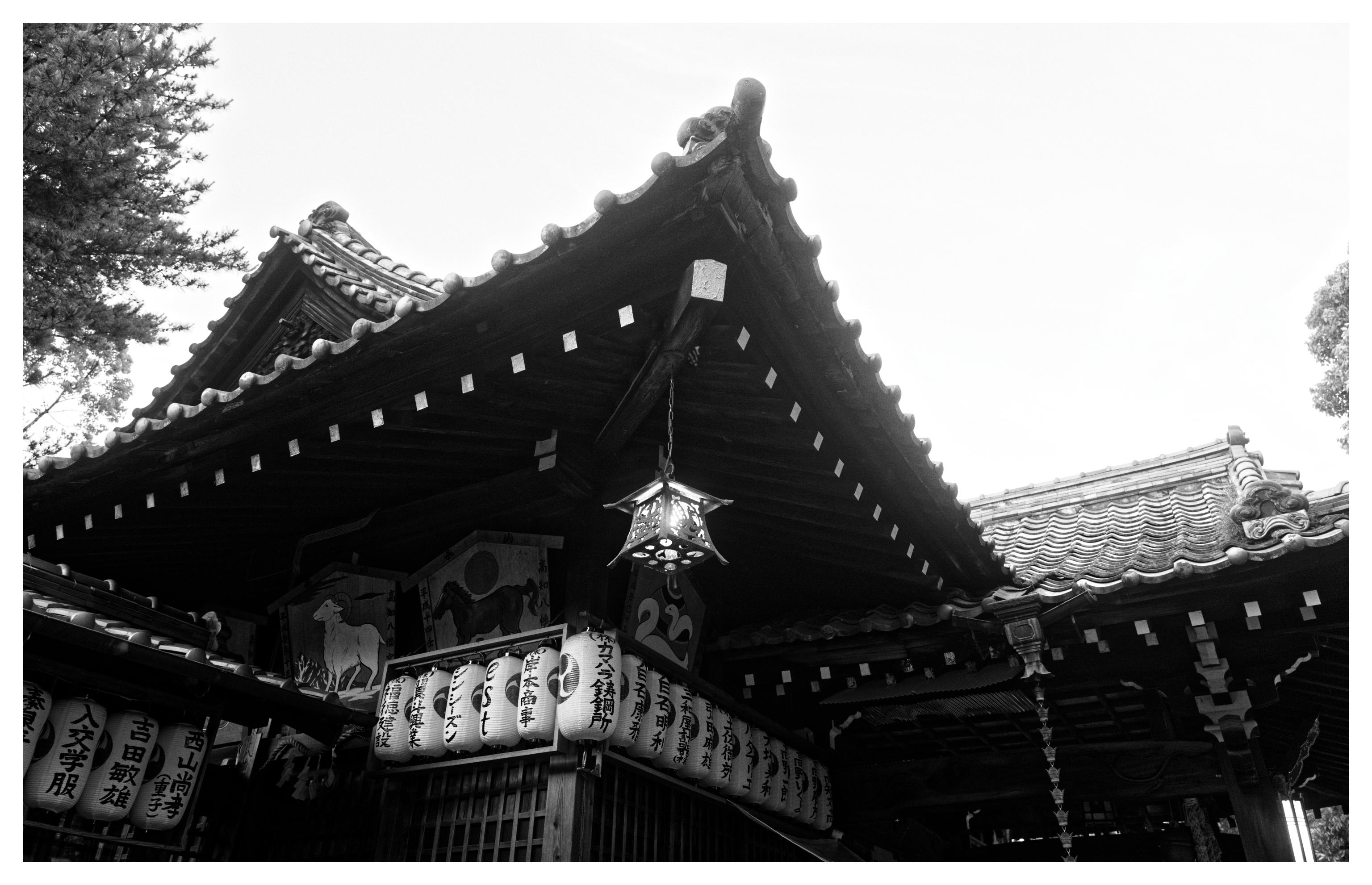
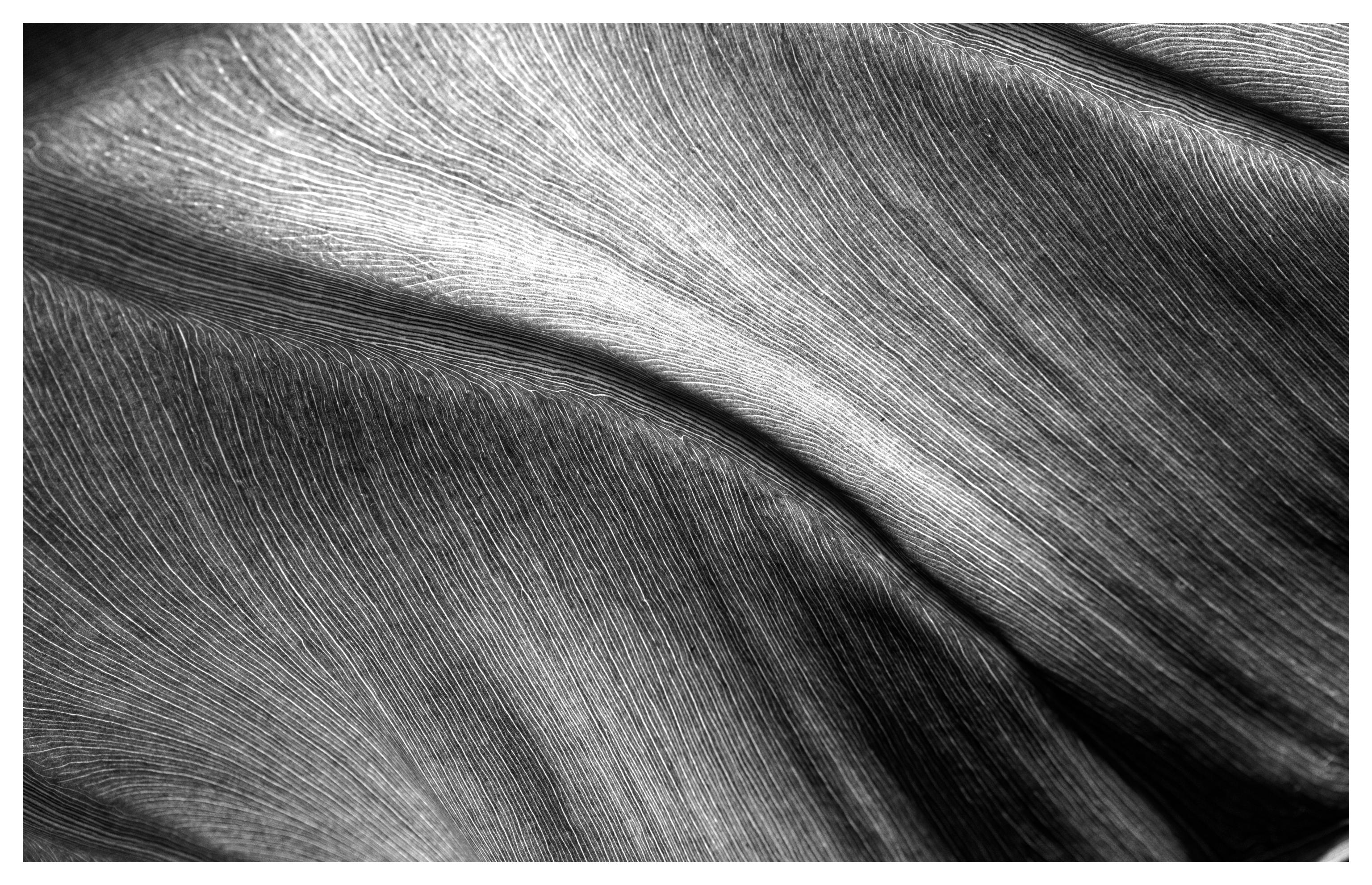
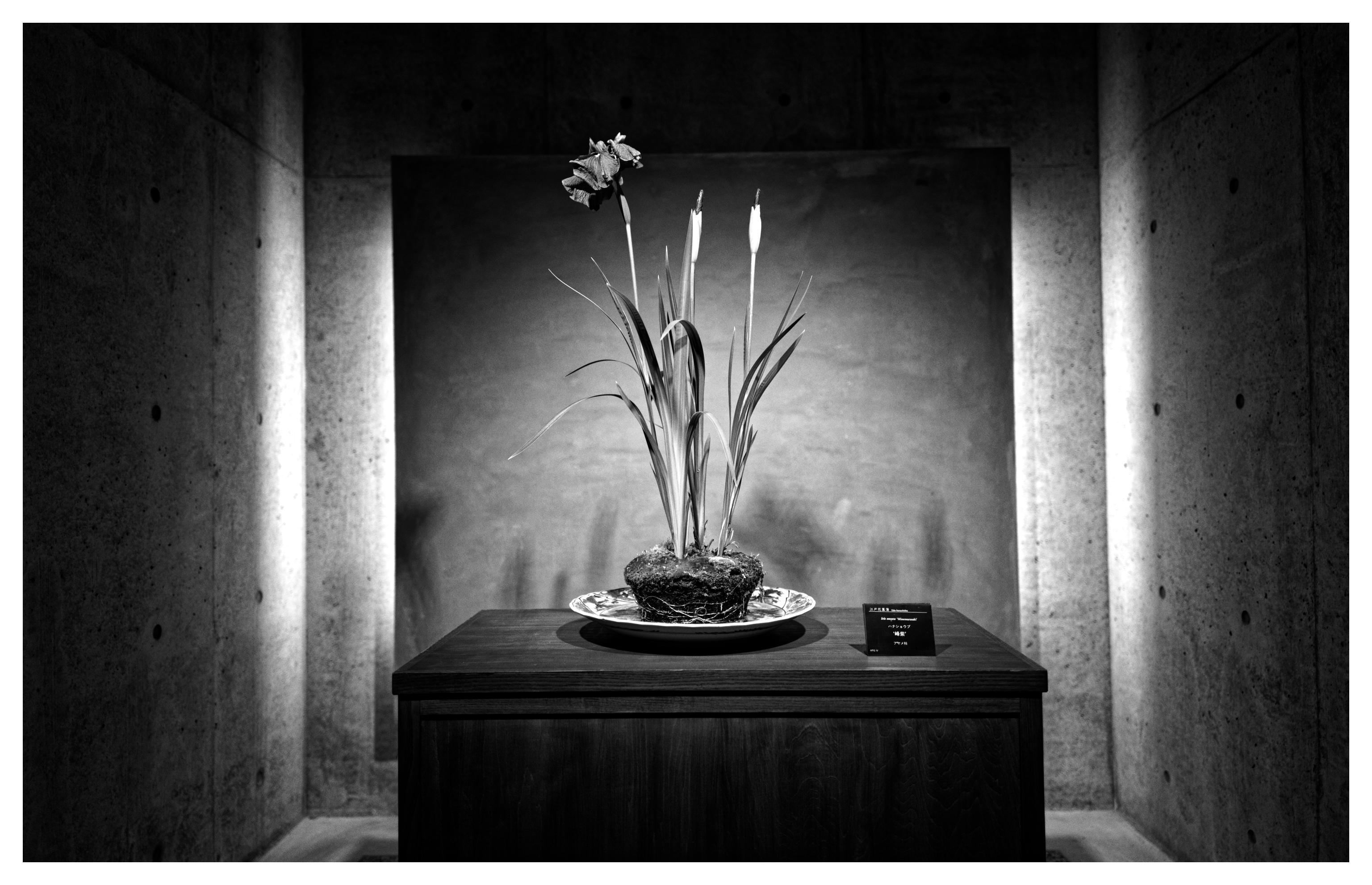
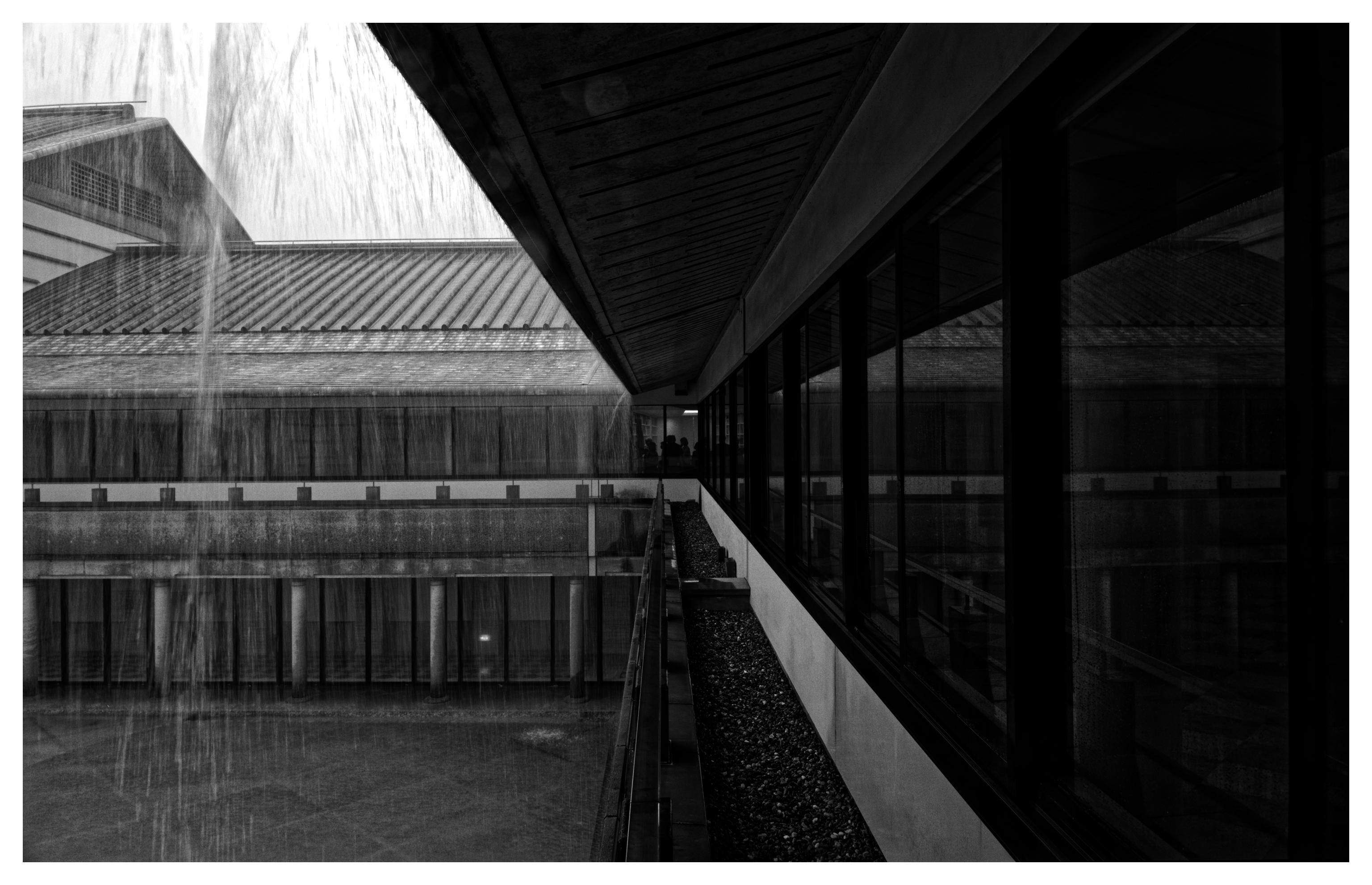


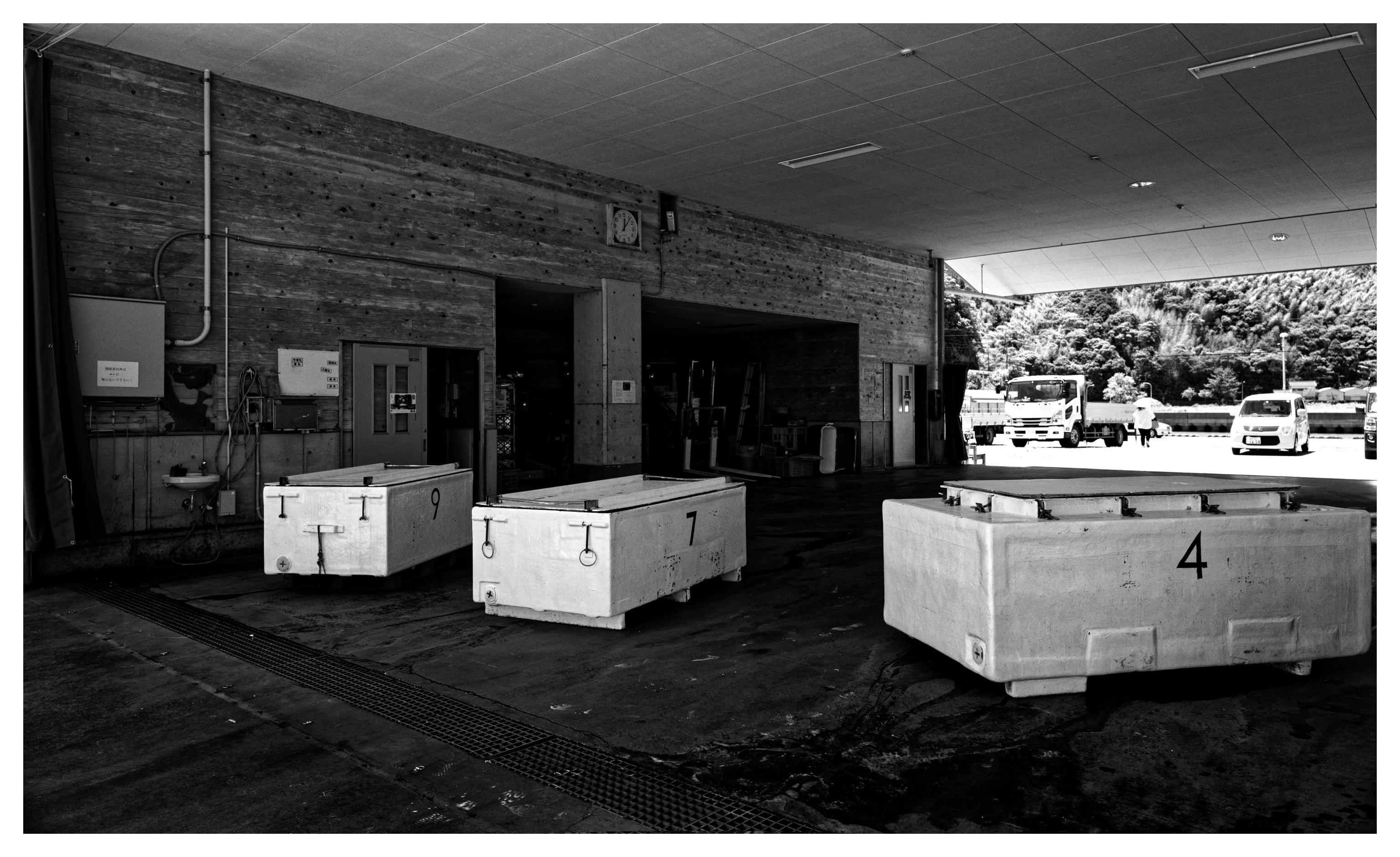
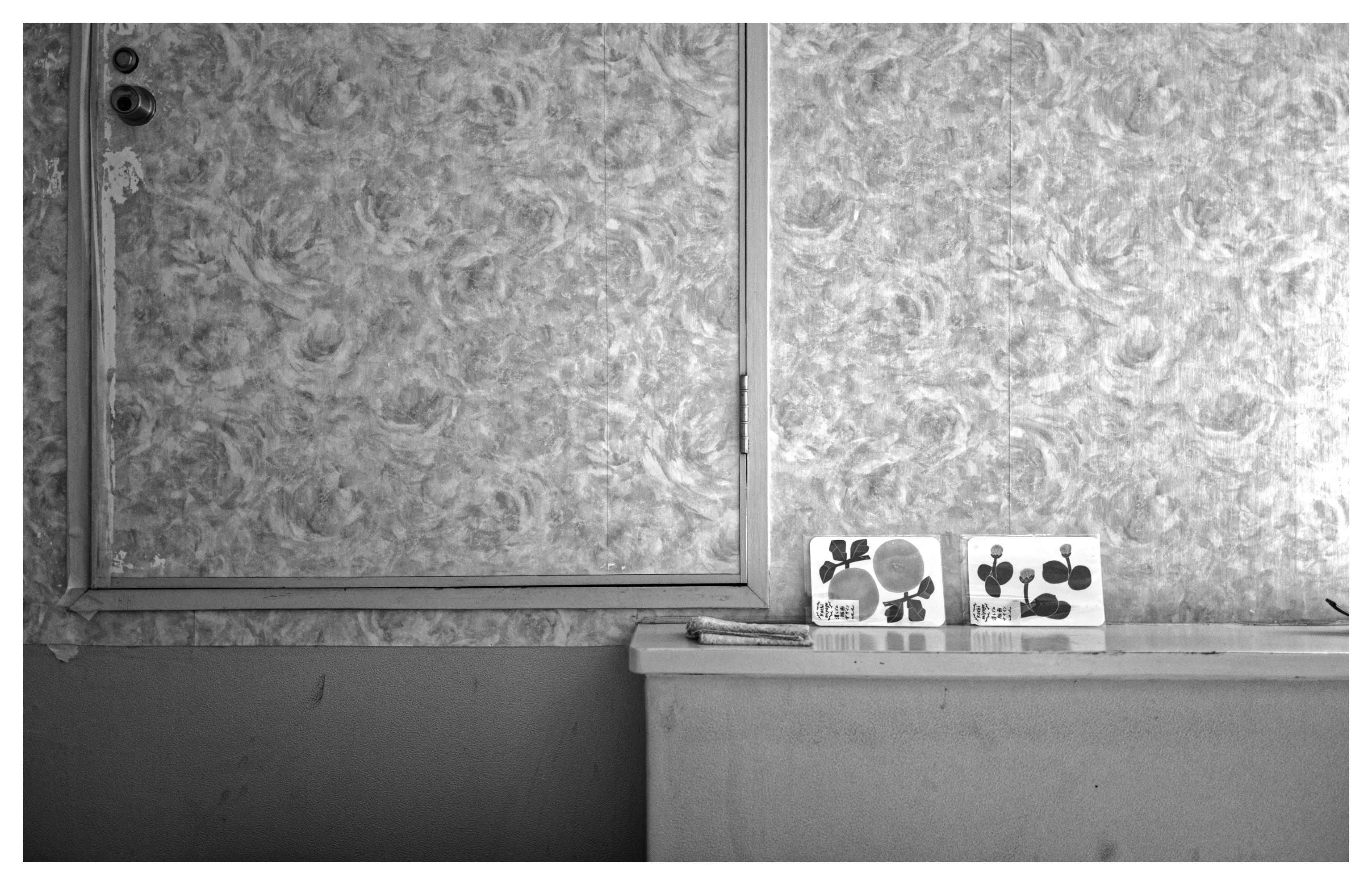

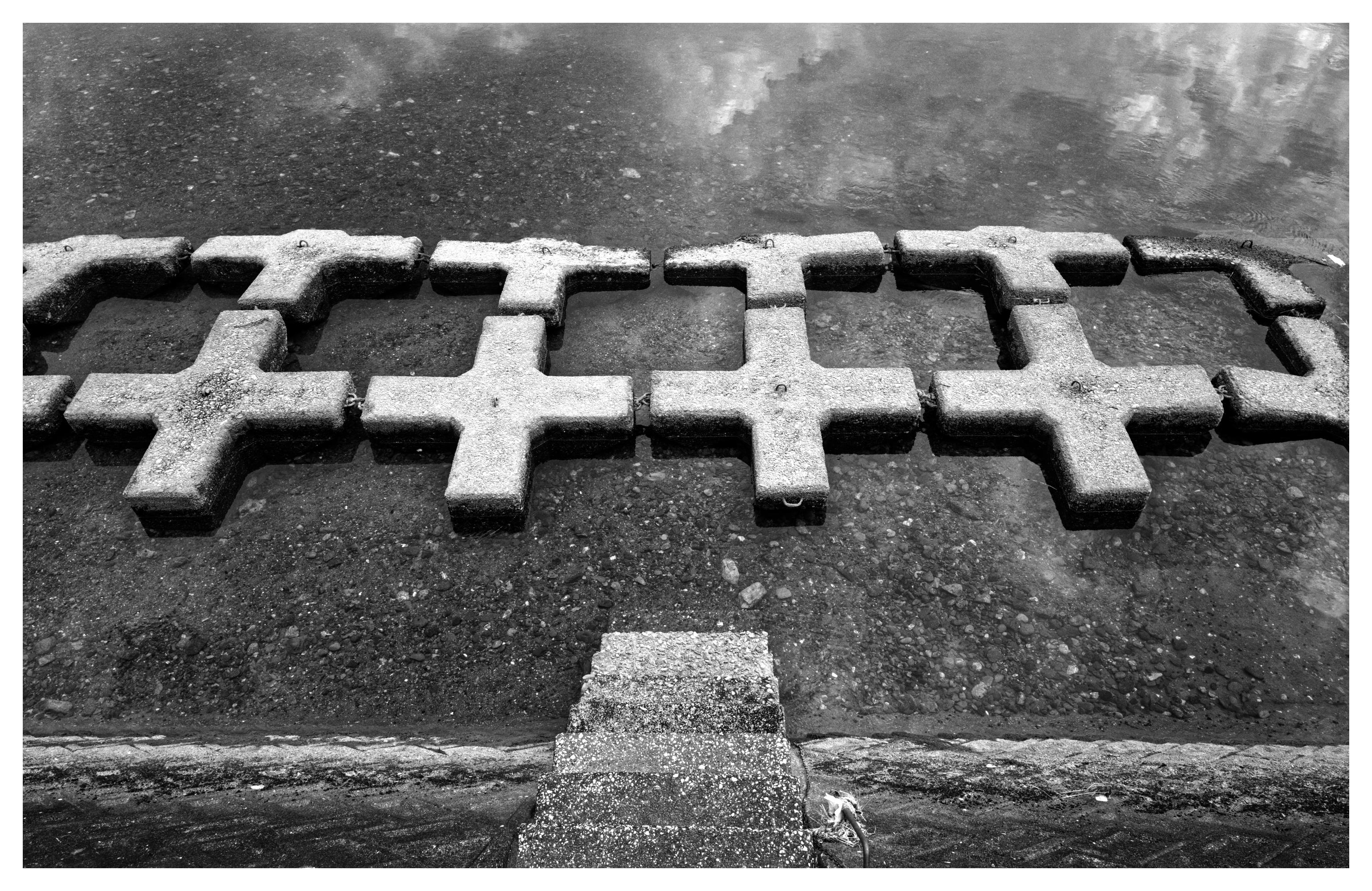


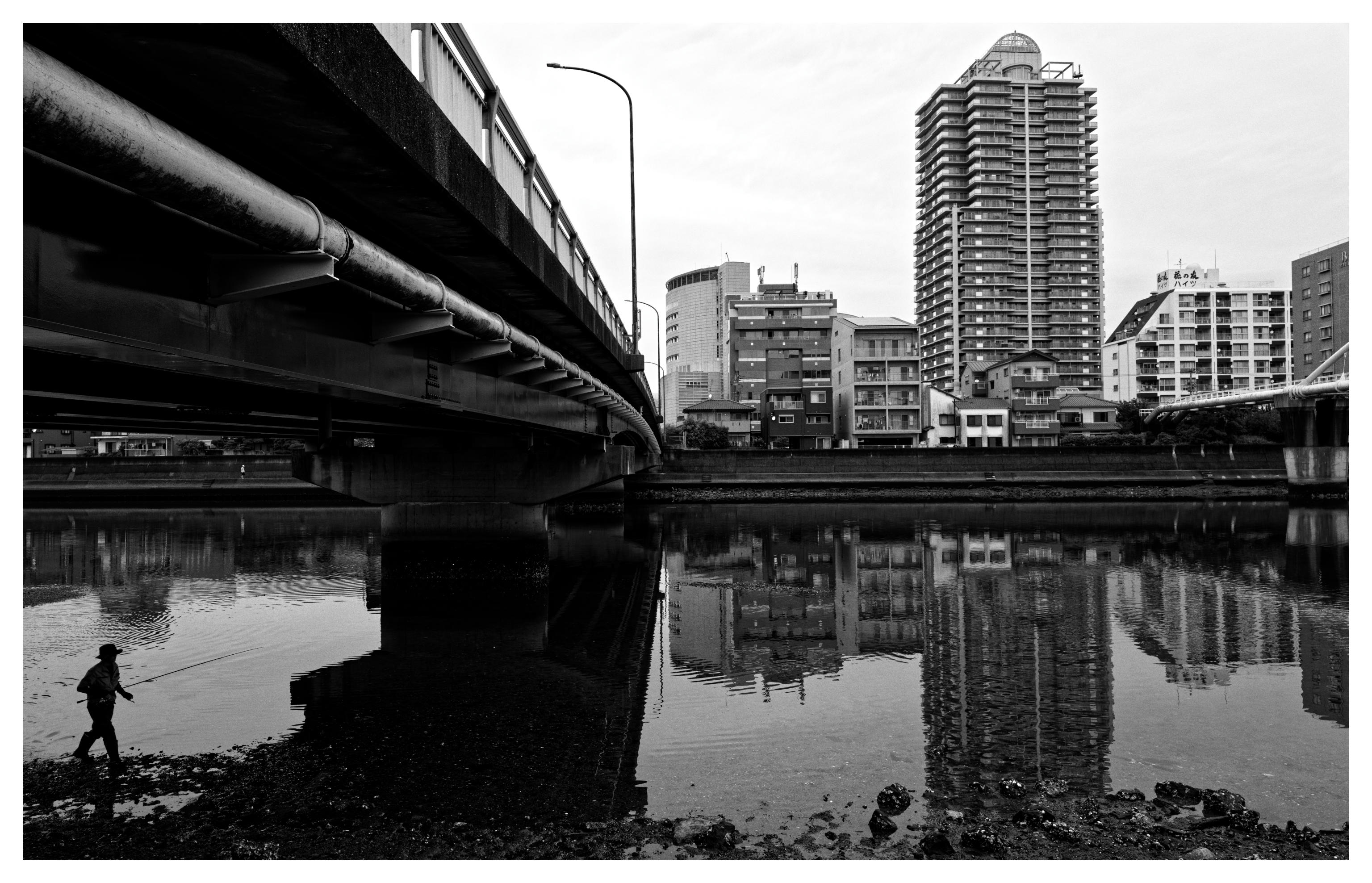
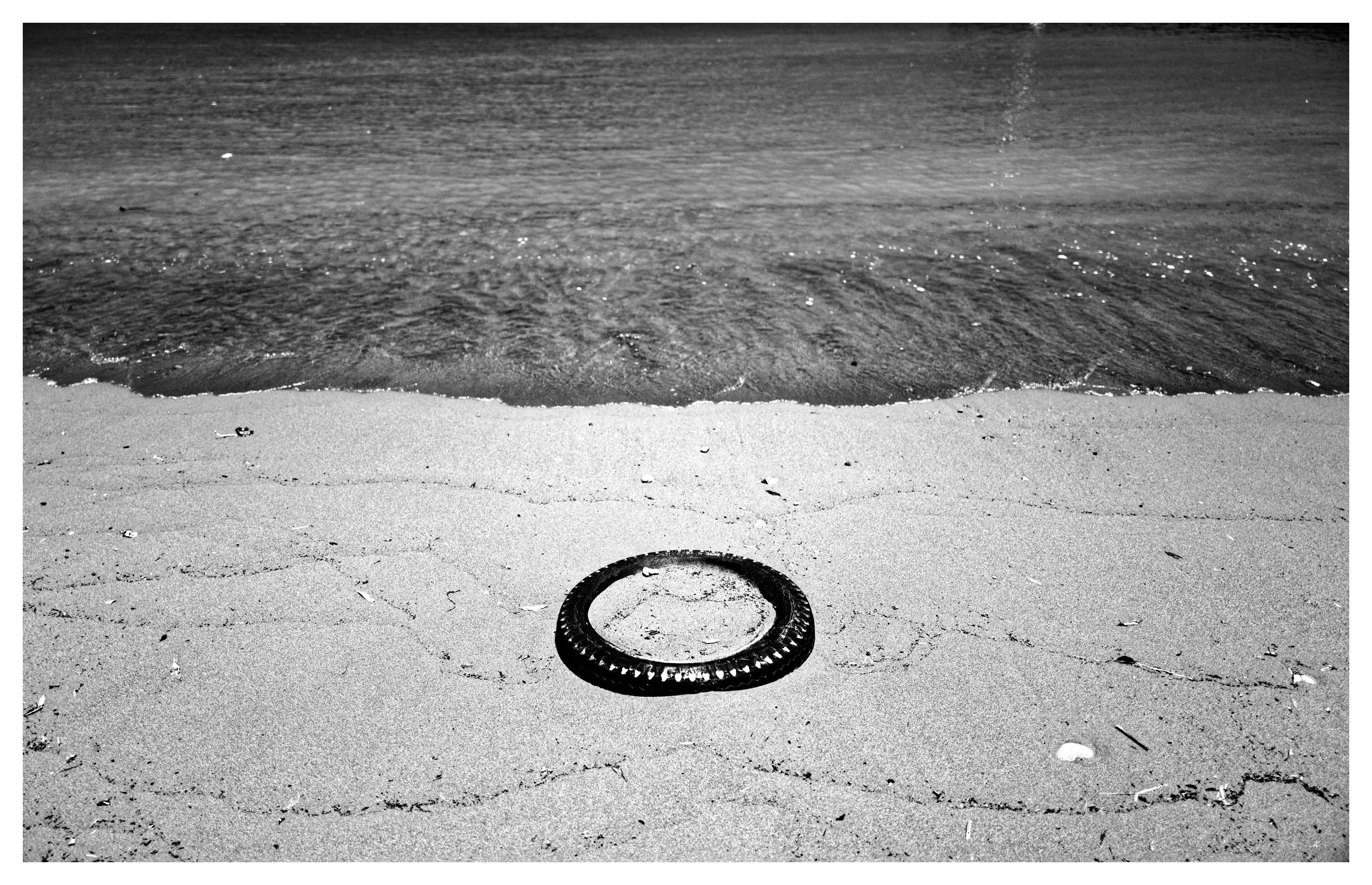

Overall, this was a fascinating experience, arriving with pre-conceptions as to what to shoot and simply walking and exploring. Eating was problematic for me due to the ubiquity of soy-sauce, which is made with wheat. But the people are extremely friendly and helpful, and it feels very much like a different time. It is an area that in many aspects is defined by centuries of battling against nature, a battle that never really ends. I would love to go back to and explore for a longer time.
Technical Details
All photographs were taken using a Q2 Monochrom compact camera, using various filters depending on the conditions (yellow, orange, orange+polariser and 1/8 ProMist). Processing used DxO PhotoLab 7 with a modified Film Pack preset emulating Kodak T-Max 400 film. PhotoLab was used rather than Capture One because the FilmPack emulations are generally easier to work with than similar options within Capture One alone.
Unfortunately, PhotoLab does not support the Q2M, but it can work with generic TIFF files. Hence the Leica DNGs were first converted to TIFF using Dave Coffin’s dcraw tool, via dcraw -T -6 -k 500 *.DNG. The options give a 16 bit TIFF file with default gamma and a slightly raised black level that roughly sets the image brightness correctly for the PL7 defaults. A downside to using dcraw rather than darktable-cli (whose TIFF files are impractically large when used with hundreds of images) is that the massive Q2M lens distortion has to be set manually using a +72 barrel correction — this is not perfect, but it is workable even with the more architectural shots.
Categories: Black and White, Travel
 Transient Eye
This is a lovely set of pictures. They work both as documentary and lovely in themselves.
I hadn’t realised the Q2 lens had so much distortion. However, the mono camera all produce lovely files in my experience.
The Q lens has huge distortion, which is the compromise made in order to make such as small and fast objective. Most software automatically applies the correction, and you rarely notice it. Personally I think it is a good trade-off, as software distortion correction is usually less problematic than dealing with problems like excessive LOCA etc.
And yes, yhe Q2M raw files are always a pleasure to work with!